The Natural World of Japan — Seasons, Landscapes, and Sacred Mountains
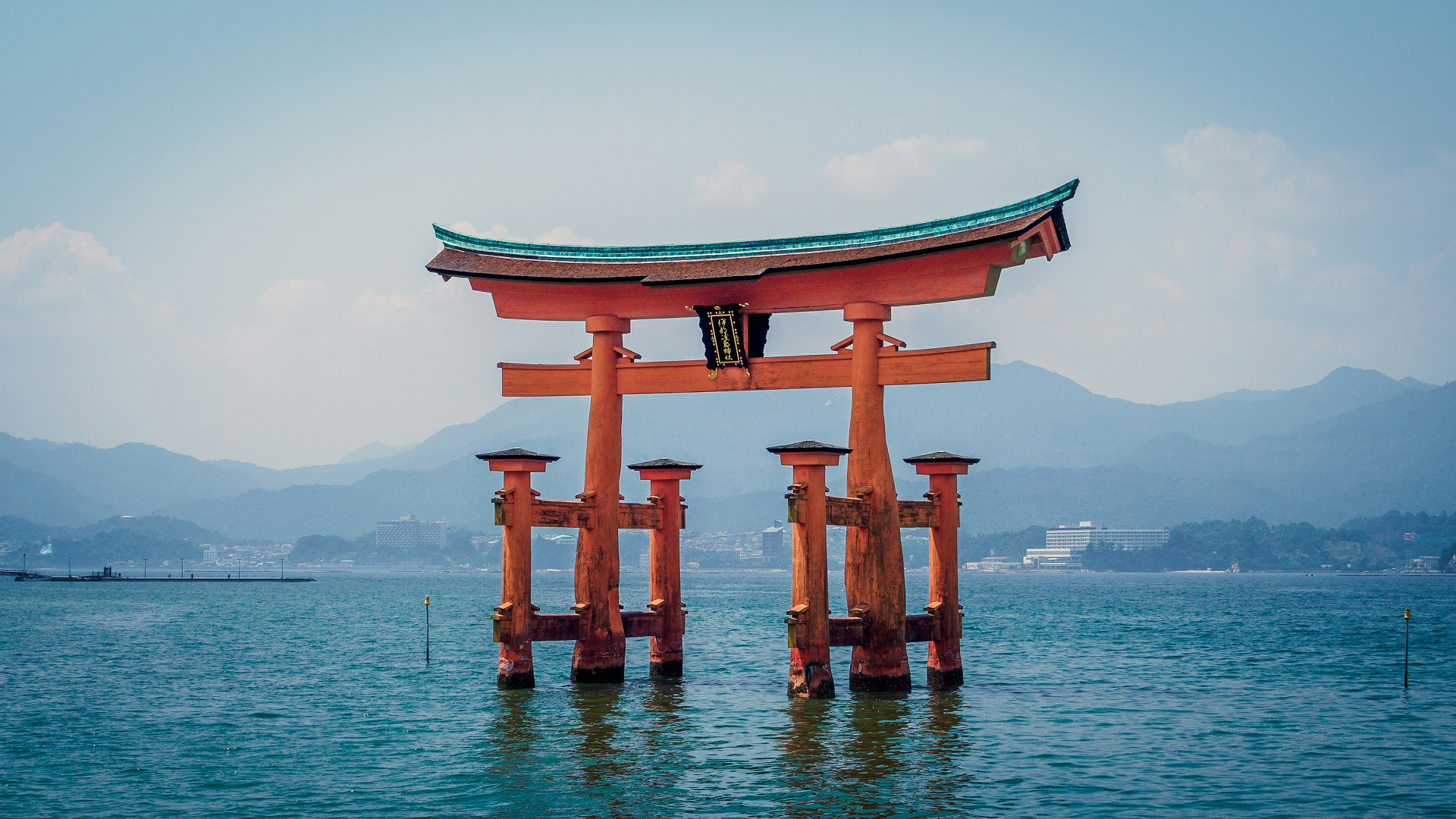
Japan is a country of breathtaking and extreme natural beauty. Its 6,852 islands stretch across nearly 3,000 kilometres of latitude, encompassing climates as different as the subarctic snowscapes of Hokkaido and the subtropical coral reefs of Okinawa. This geographic diversity, combined with a deeply rooted cultural reverence for the natural world, has made nature not merely a backdrop to Japanese life but one of its central spiritual and aesthetic preoccupations.
The Archipelago: Fire, Water, and Geological Drama
Japan sits at the intersection of four tectonic plates — a geological fact that defines the country in every sense. It is home to 111 active volcanoes (approximately 10% of the world's total), experiences around 1,500 earthquakes per year, and hosts some of the most dramatic volcanic landscapes on Earth. Mount Fuji (Fuji-san), at 3,776 metres the highest peak in Japan, is both an active stratovolcano and Japan's most iconic image — a near-perfect cone that has inspired centuries of paintings, poems, and pilgrimages. It draws approximately 300,000 climbers annually and was designated a UNESCO World Cultural Heritage Site in 2013.
The volcanic activity that makes Japan geologically precarious also creates extraordinary gifts. Japan is home to tens of thousands of hot springs (onsen), fed by geothermal heat deep beneath the islands' surface. Bathing in these mineral-rich waters is not merely a leisure activity in Japan — it is a cultural institution. Onsen towns (onsen-machi) have developed around major spring sources for over a thousand years, and the etiquette of communal bathing reflects deep values of cleanliness, relaxation, and equality (everyone enters the bath without clothes, without status markers).
The Four Seasons as Cultural Framework
Perhaps no aspect of Japan's natural world has shaped its culture more profoundly than the four seasons. Japanese society organises itself around seasonal transitions in ways that are remarkable in their depth and pervasiveness. The seasons govern what is eaten, what is worn, how homes are decorated, what flowers appear in art and poetry, and what festivals are celebrated.
Spring (Haru) is synonymous with hanami — "flower viewing" — and specifically the cherry blossom (sakura). Japan's 600+ species and cultivars of cherry tree burst into bloom each spring in a wave that progresses northward from Okinawa to Hokkaido over approximately six weeks. The cherry blossom is Japan's national flower, and its significance runs far deeper than its beauty: the sakura's brief, brilliant flowering — peaking in just one to two weeks before the petals fall — is a meditation on mono no aware, the poignant awareness of impermanence that lies at the heart of Japanese aesthetics.
Summer (Natsu) brings humid heat, dramatic thunderstorms, typhoons, and the intense green of rice paddies. It is the season of matsuri festivals, fireworks (hanabi), and obon, the Buddhist festival in which the spirits of ancestors are welcomed home. The cicada (semi), whose deafening chorus defines Japanese summer, appears in poetry and prose as a symbol of seasonal intensity and transience.
Autumn (Aki) is the season of koyo — the turning of leaves. Maple trees (momiji) and ginkgos paint the Japanese landscape in crimson, gold, and amber, and the practice of travelling to see autumn foliage rivals hanami in cultural significance. Autumn is also the harvest season, associated with matsutake mushrooms, new rice, and the deep aesthetic quality of shibusa — a restrained, mature beauty.
Winter (Fuyu) in Japan ranges from the heavy snowfall of Hokkaido, Tohoku, and the Japan Sea coast (regions that receive some of the deepest snowfall on Earth) to the mild, clear winters of Tokyo and Kyoto. Winter is the season of kotatsu tables with heated blankets, steaming bowls of ramen, and shogatsu — the New Year celebration, the most important holiday in the Japanese calendar.
Sacred Landscapes
In Shinto belief, the natural world is inhabited by kami — spirits or divine forces that reside in mountains, rivers, forests, rocks, and seas. This animistic worldview means that Japan's landscapes are simultaneously natural and sacred. Mount Fuji is a goddess (Ko no Hana Sakuya Hime); the Kumano rivers are divine pathways; ancient cedar forests on the Kii Peninsula are pilgrimage routes walked by emperors and ascetics for over a thousand years.
The island of Yakushima, off the southern tip of Kyushu, contains some of the world's oldest living trees — Japanese cedars (yakusugi) over 1,000 years old, the most ancient of which (Jōmon Sugi) is estimated at between 2,000 and 7,000 years old. Walking through Yakushima's moss-draped, primordial forests is an experience of geological time that has earned it UNESCO World Heritage status and inspired Hayao Miyazaki's vision of the ancient forest in Princess Mononoke.
Japan's relationship with its natural world is inseparable from its art, religion, agriculture, and daily life. The country is simultaneously a victim of nature's violence — earthquakes, tsunamis, volcanic eruptions — and a grateful inhabitant of its extraordinary beauty. This tension between vulnerability and reverence has given Japan one of the world's most profound and enduring cultures of ecological awareness.