The History of Japan — From Ancient Myths to the Modern Nation
Japan's history is one of the most layered and fascinating in the world — a continuous civilisation stretching back thousands of years, shaped by isolation, invasion, feudal struggle, imperial ambition, and dramatic reinvention. To understand modern Japan, you must first walk through the long corridors of its past.
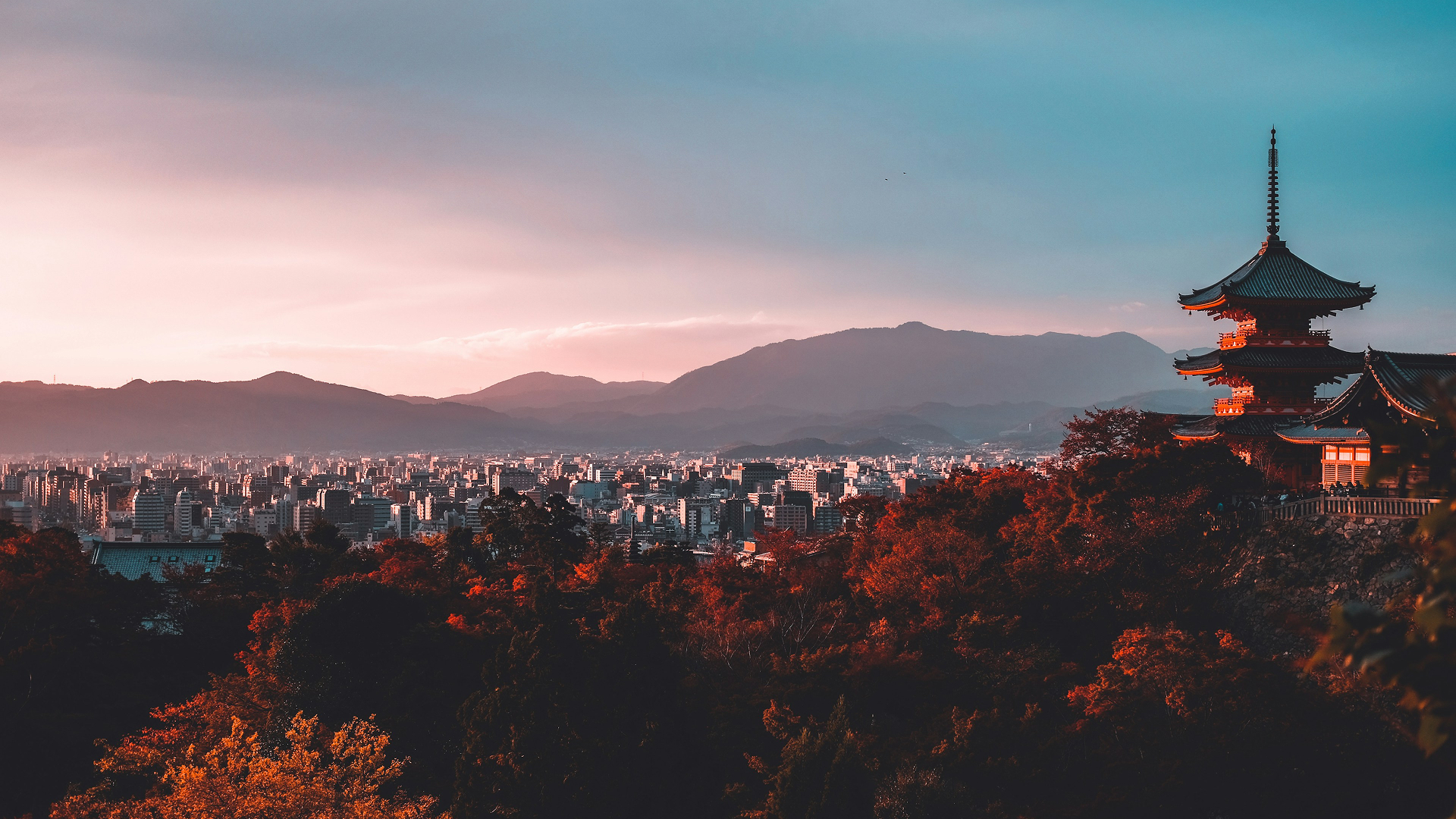
Japan's history is one of the most layered and fascinating in the world — a continuous civilisation stretching back thousands of years, shaped by isolation, invasion, feudal struggle, imperial ambition, and dramatic reinvention. To understand modern Japan, you must first walk through the long corridors of its past.
The Age of Gods and Early Settlements
Japan's earliest history is intertwined with mythology. According to Shinto tradition, the islands of Japan were created by the deities Izanagi and Izanami, and the imperial family traces its divine lineage to the sun goddess Amaterasu. While these are legends, archaeological evidence tells us that the Japanese archipelago has been inhabited for at least 30,000 years. The Jōmon people — hunter-gatherers and among the earliest known pottery makers in the world — lived on the islands from around 14,000 BCE. They were eventually followed by the Yayoi people, who arrived from continental Asia around 300 BCE, bringing rice cultivation, metalworking, and more complex social hierarchies.
By the Kofun period (250–538 CE), powerful clan leaders were building massive burial mounds called kofun, some rivalling the Egyptian pyramids in volume. These earthworks signal the emergence of a stratified, increasingly centralised society — the early stirrings of the Japanese state.
The Imperial Court and Classical Japan
Japan's classical age flourished under the Yamato court, which drew heavily from Tang dynasty China — importing Buddhism, Confucian governance ideals, a writing system, and artistic traditions. Prince Shōtoku (574–622 CE) played a pivotal role in institutionalising Buddhism and establishing a Chinese-style bureaucratic system. The Nara period (710–794 CE) saw the first permanent capital built at Nara, along with the construction of Tōdai-ji, a magnificent temple housing the world's largest bronze Buddha.
The capital later moved to Heian-kyō (modern Kyoto), giving birth to the Heian period (794–1185 CE), widely regarded as the golden age of Japanese court culture. Aristocrats lived in refined elegance, and literature flourished — most notably in the works of Murasaki Shikibu, whose The Tale of Genji is often cited as the world's first novel. Yet beneath this aesthetic brilliance, military clans were rising in power.
The Age of the Samurai
The Kamakura period (1185–1333 CE) marked a tectonic shift: political authority passed from the imperial court to a military government, or shogunate, established by the warrior Minamoto no Yoritomo. The samurai class — disciplined, loyal, and guided by an emerging code of honour called bushido — became the dominant social and political force for centuries.
The Muromachi and Sengoku periods brought devastating civil wars as warlords (daimyō) fought for supremacy. Three great unifiers — Oda Nobunaga, Toyotomi Hideyoshi, and Tokugawa Ieyasu — eventually restored order. Ieyasu founded the Tokugawa shogunate in 1603, ushering in the Edo period (1603–1868 CE): over 260 years of relative peace, strict social hierarchy, and deliberate isolation from the outside world.
Isolation, Westernisation, and Empire
The policy of sakoku — closing Japan to most foreign contact — shaped Edo society profoundly. Yet it couldn't last forever. In 1853, American Commodore Matthew Perry arrived with his "Black Ships," forcing Japan to open its ports to trade. This humiliation catalysed the Meiji Restoration of 1868, in which Emperor Meiji was reinstated as ruler and Japan launched a breathtaking modernisation drive. Within decades, it built railways, a modern army and navy, a constitutional government, and heavy industry — transforming itself from a feudal state into a major world power.
The 20th century brought Japan into imperial expansion, devastating conflict in World War II, and the atomic bombings of Hiroshima and Nagasaki in 1945. Defeat led to American occupation and a new constitution that renounced war. What followed was equally astonishing: Japan's post-war economic miracle turned it into the world's second-largest economy by the 1960s.
Japan Today
Modern Japan is a democracy with a constitutional monarchy, where the Emperor serves a ceremonial role. It is a global leader in technology, culture, and soft power — beloved for its contributions to cinema, cuisine, design, and innovation. Yet it also grapples with pressing challenges: an ageing population, low birth rates, economic stagnation, and questions of national identity in an increasingly connected world.
Japan's history is not simply a timeline — it is a testament to a society's remarkable capacity to absorb, transform, and ultimately redefine itself on its own terms.