The Architecture of Japan — Where Tradition Breathes Within Modernity
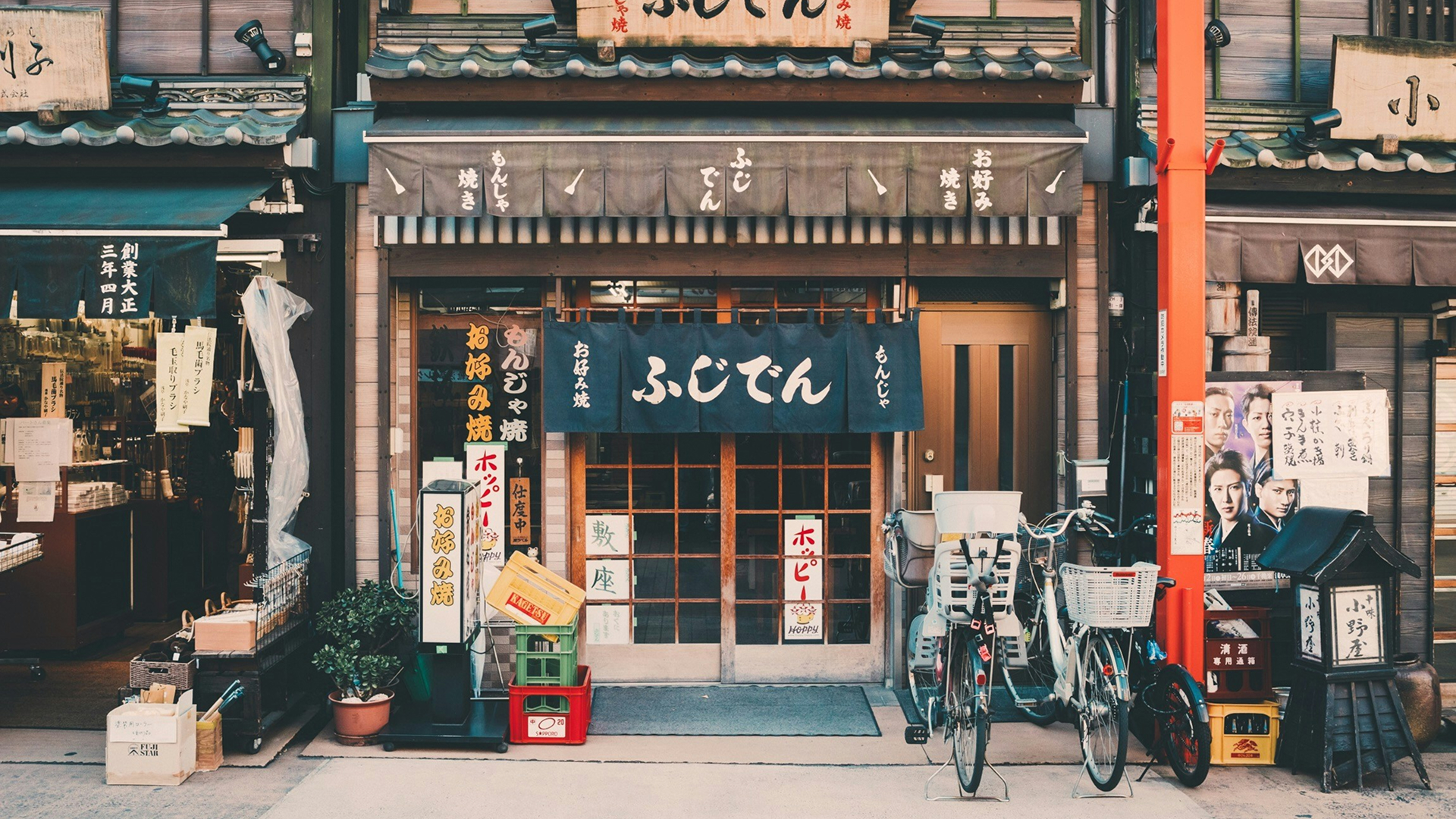
Japan presents one of the world's most extraordinary architectural landscapes — a country where ancient timber temples sit within cycling distance of gravity-defying glass towers, where a 1,200-year-old shrine complex is perfectly preserved beside a hypermodern bullet train station. Japanese architecture is not a story of tradition replaced by modernity; it is a story of perpetual, thoughtful coexistence.
The Principles of Traditional Japanese Architecture
Traditional Japanese architecture developed over centuries in dialogue with two powerful forces: the natural environment and Shinto-Buddhist spirituality. The result is a building tradition defined by a handful of key principles.
Natural Materials: Traditional Japanese structures are built almost exclusively from wood, bamboo, rice paper (shōji), and clay. These materials breathe, flex, and age beautifully — qualities deeply aligned with the Japanese aesthetic concept of wabi-sabi, which finds beauty in impermanence and natural imperfection. Japan's frequent earthquakes also made flexible wooden post-and-beam construction a practical necessity; it absorbs seismic energy far better than rigid masonry.
The Engawa: The engawa — a wooden veranda that wraps around the perimeter of a traditional structure — embodies the Japanese architectural preoccupation with the transition between inside and outside. Rather than a hard boundary between interior and exterior, Japanese design favours gradations: engawa, sliding shōji screens, garden views framed like paintings, and the deliberate blurring of human-made and natural space.
Gardens as Architecture: Japanese gardens are not decoration — they are an integral part of the architectural experience. The karesansui (dry landscape garden) of Ryōan-ji in Kyoto, composed of raked gravel and 15 enigmatic stones, is arguably the world's most studied spatial composition. Stroll gardens (kaiyūshiki), tea gardens (roji), and borrowed-landscape gardens (shakkei) all reflect the Japanese belief that architecture must engage, frame, and elevate the natural world.
Castles, Temples, and Shrines
Japan's religious and military architecture offers some of the world's most magnificent structures. The Ise Grand Shrine (Ise Jingū) — Japan's most sacred Shinto site — is rebuilt from scratch every 20 years in a practice called shikinen sengū, ensuring both perpetual renewal and the living transmission of ancient building knowledge. This act of intentional impermanence is quintessentially Japanese.
Himeji Castle, a UNESCO World Heritage Site, is perhaps the finest surviving example of Japanese feudal-era military architecture. Its elegant white walls, complex defensive layouts, and graceful multi-tiered keeps have made it an icon of the samurai era. Equally iconic are the great Buddhist complexes: Tōdai-ji, Kinkaku-ji (the Golden Pavilion), and the temple corridors of Nikkō, each layered with centuries of devotional craftsmanship.
The Metabolism Movement and Post-War Innovation
After World War II, Japan's architects faced the challenge of rebuilding an obliterated urban landscape while grappling with rapid modernisation and a profound identity crisis. The result was one of the 20th century's most radical architectural movements: Metabolism.
Metabolists like Kisho Kurokawa and Kenzo Tange imagined cities as living organisms — modular, replaceable, expandable. Kurokawa's Nakagin Capsule Tower (1972) in Tokyo, composed of 140 individual pod-like capsules attached to a central core, embodied this philosophy. Though now partly demolished, it remains one of the defining landmarks of 20th-century architecture.
Kenzo Tange's work — from the masterful Hiroshima Peace Memorial Museum (1955) to the soaring National Gymnasium for the 1964 Tokyo Olympics — demonstrated that modern architecture could synthesise Western structural innovation with Japanese spatial sensitivity.
Contemporary Masters
Contemporary Japanese architecture is internationally revered. Tadao Ando, a self-taught architect from Osaka, is celebrated for his monumental concrete structures that play with light and shadow in deeply meditative ways. His Church of the Light in Osaka, where a cross-shaped opening floods a dark concrete interior with natural light, is considered a modern masterpiece.
Kengo Kuma has pioneered a return to natural materials in contemporary construction — his buildings in wood, stone, and bamboo consciously reject the glass-and-steel anonymity of global architecture. Toyo Ito and SANAA (Kazuyo Sejima and Ryue Nishizawa) have pushed the boundaries of weightlessness and transparency in their ethereal structures.
The Japanese City as Architecture
The Japanese city itself is a unique architectural phenomenon. Tokyo — home to over 37 million people in its greater metropolitan area — is simultaneously chaotic and functional, dense and intimate. Its web of underground shopping arcades, elevated expressways, pocket parks, and residential alleys (yokochō) creates an urban experience unlike anywhere else on Earth. Japanese urban design prizes the neighbourhood scale: the convenience store as community anchor, the covered shotengai shopping street, the train station as vertical urban hub.
Japanese architecture, in every era, reflects a culture that thinks deeply about space, time, and the human relationship with the natural and built world. It is an architecture of attention — to detail, to material, to light, and to silence.