Shinto and Buddhism in Japan — A Spiritual Coexistence Unique in the World
Japan presents one of the world's most fascinating cases of religious coexistence. Shinto, an indigenous animistic tradition, and Buddhism, imported from mainland Asia, have coexisted on the Japanese archipelago for nearly 1,500 years — not in tension, but in a complex, creative, and sometimes deeply intertwined relationship that has produced some of the world's most extraordinary religious art, architecture, and practice.
Shinto: The Way of the Gods
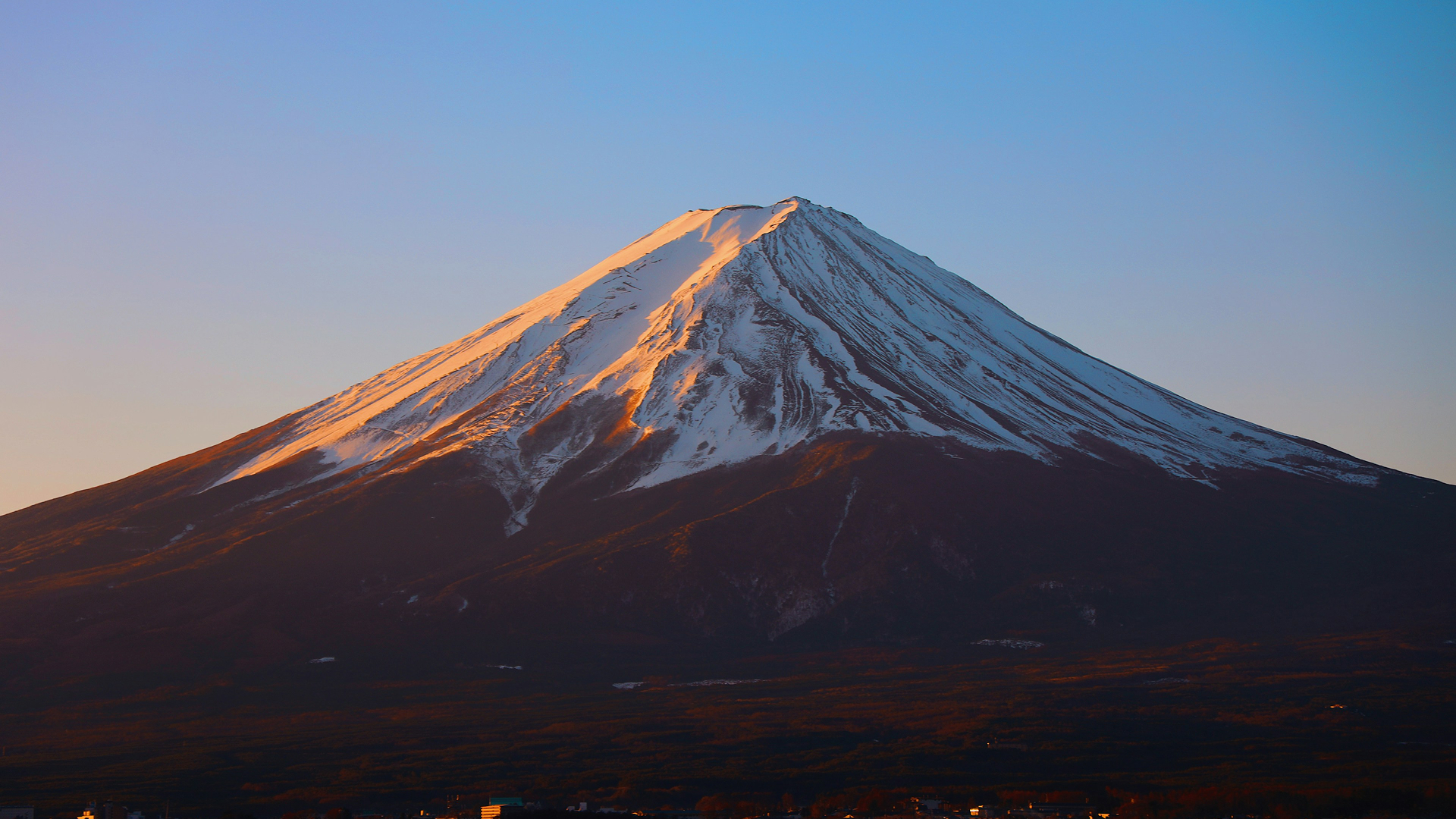
Shinto (kami no michi — "the way of the gods") is Japan's indigenous spiritual tradition, with no single founder, no fixed canon of scripture, and no equivalent of the concept of "faith" as understood in Abrahamic religions. At its heart, Shinto is an animistic practice — a recognition that the natural world is inhabited by kami, divine presences or spiritual forces that reside in everything from great mountains and ancient trees to rocks, rivers, ancestors, and the forces of natural phenomena.
There are estimated to be 8 million kami in the Shinto tradition — a number that reflects not a literal count but the idea of infinite divine presence in the natural world. Major Shinto deities include Amaterasu, the sun goddess and ancestor of the imperial family; Susanoo, her storm-god brother; and Inari, the deity of foxes, rice, agriculture, and success in business, whose shrines (marked by thousands of vermilion torii gates, most famously at Fushimi Inari in Kyoto) are among the most visited in Japan.
Shinto practice centres on harae (ritual purification), offerings, festivals (matsuri), and the maintenance of right relationship with the kami. Shrines (jinja) serve as physical homes for kami, and the physical act of visiting — passing through the torii gate, washing hands at the temizuya, approaching the main hall, clapping twice and bowing in prayer — is a ritual re-entry into sacred space.
Shinto has no doctrine of sin or hell; it is fundamentally concerned with purity and pollution, and with gratitude, respect, and harmony in the living present rather than salvation or afterlife.
Buddhism Arrives: The Prince and the Dharma
Buddhism arrived in Japan via Korea and China in the 6th century CE, traditionally dated to 552 CE when the king of the Korean kingdom of Baekje sent Buddhist scriptures and a gilded statue to the Japanese court. Prince Shōtoku (574–622 CE) became its great champion, establishing Buddhist temples, issuing the earliest Japanese legal code with Buddhist and Confucian principles, and integrating Buddhism into the framework of Japanese governance.
Japanese Buddhism diversified rapidly, developing a range of schools that remain active today. Tendai and Shingon (esoteric schools emphasising elaborate ritual, mantras, and mandala) dominated the Heian period. Pure Land Buddhism (Jōdo-shū, Jōdo Shinshū), which centres on devotion to Amida Buddha and the aspiration for rebirth in the Pure Land, became the most popular form of Buddhism among ordinary Japanese people. Zen Buddhism (Rinzai and Sōtō schools), introduced in the Kamakura period, emphasised direct experience of enlightenment through seated meditation (zazen) and disciplined practice, and had a profound impact on Japanese aesthetics — influencing the tea ceremony, ink painting, garden design, martial arts, and poetry.
The Syncretism of Shinbutsu-Shūgō
What is perhaps most remarkable about Japanese religion is the degree to which Shinto and Buddhism have merged rather than competed. For over a millennium, the dominant practice was shinbutsu-shūgō — the syncretism of gods and Buddhas. Shinto kami were reinterpreted as manifestations or protectors of Buddhist deities; Buddhist temples were built within or adjacent to Shinto shrines; monks performed rituals at both. The same person would be born under Shinto observances, marry in a Shinto ceremony, and be buried with Buddhist rites — a pattern that describes the majority of Japanese people today.
The Meiji government (from 1868) forcibly separated Shinto and Buddhism — destroying countless merged institutions and briefly attempting to elevate Shinto to a state religion — but the deep cultural integration between the two traditions proved impossible to fully undo.
Religion and Contemporary Japanese Life
Contemporary Japan presents a fascinating paradox of religiosity. Surveys consistently show that the majority of Japanese people do not identify as religious or do not believe in a personal god — yet the same people visit shrines and temples regularly, participate enthusiastically in religious festivals, practice obon ancestor rites, and maintain small household shrines (butsudan for Buddhist ancestors, kamidana for Shinto deities).
In Japan, religion functions less as a system of belief and more as a set of practices — seasonal, communal, and rooted in gratitude, memory, and the rhythms of the natural world. To be religious in Japan is less about affirming doctrines and more about inhabiting a shared ritual calendar that connects the living to the dead, the human to the natural, and the present to the eternal.
This pragmatic, pluralistic, practice-centred spirituality is one of Japan's most distinctive and instructive contributions to global religious thought.