Japanese Cuisine — A Deep Dive into One of the World's Great Food Cultures
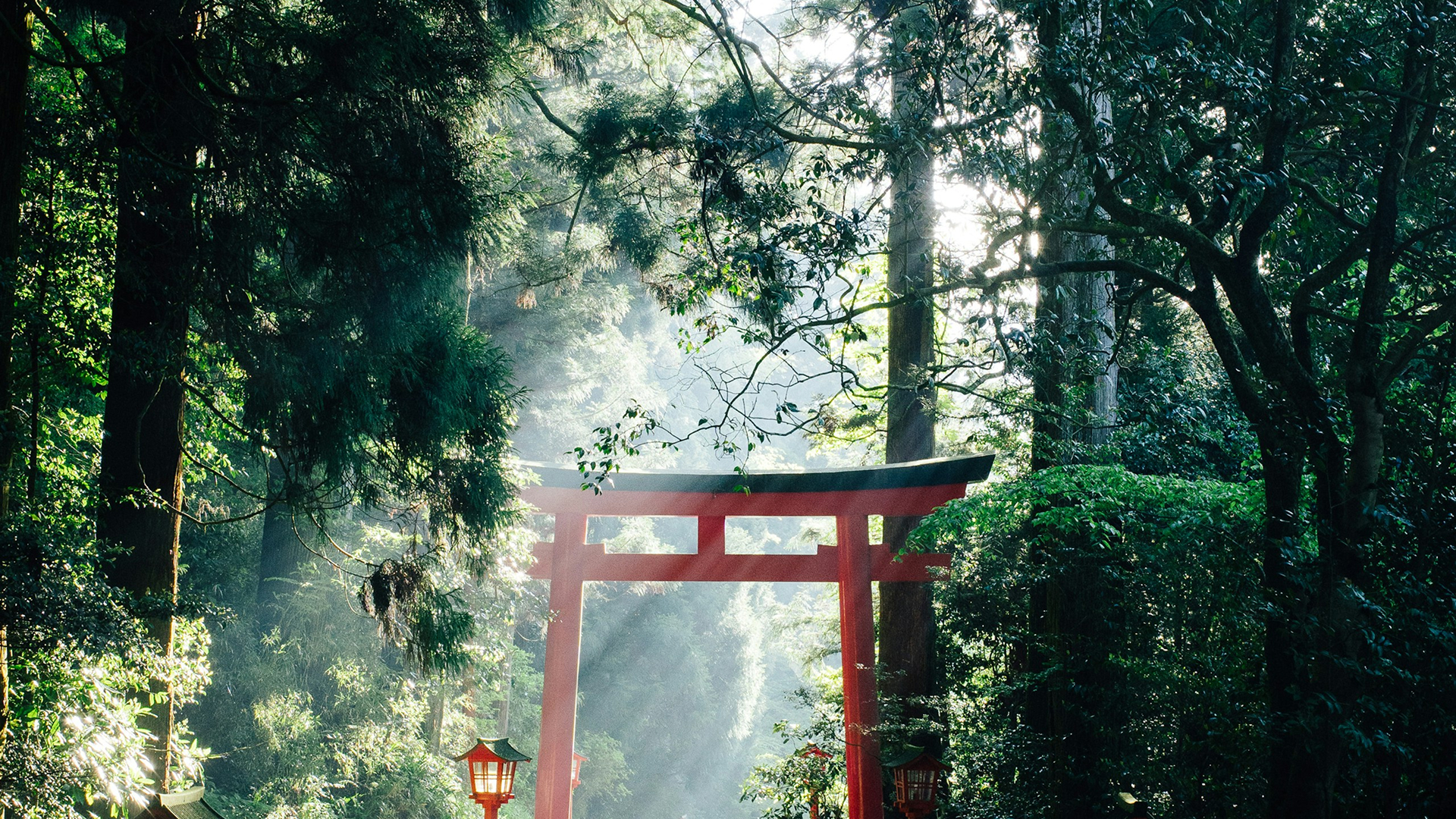
Few culinary traditions can rival the depth, precision, and philosophical richness of Japanese cuisine. Recognised by UNESCO as an Intangible Cultural Heritage of Humanity in 2013, washoku — the traditional dietary culture of Japan — is far more than a collection of recipes. It is a way of engaging with the natural world, a seasonal practice, and an art form refined over millennia.
The Philosophy of Japanese Food
At the heart of Japanese cooking lies a concept that resists easy translation: ma, the idea of space and balance. Where many culinary traditions pile flavours upon flavours, Japanese cuisine often pursues the opposite — restraint, clarity, and the elevation of a single ingredient to its highest expression. This philosophy is perhaps most visible in the Japanese reverence for umami, the fifth taste — a deep, savoury resonance found in ingredients like kombu seaweed, bonito flakes, fermented soy, and aged miso.
Another foundational concept is shun — eating with the seasons. A Japanese chef working in the traditional mode will insist that the best ingredient is the one at its seasonal peak: bamboo shoots in early spring, sweetfish (ayu) in summer, matsutake mushrooms in autumn, yellowtail (buri) in winter. This seasonality isn't merely culinary preference; it reflects a deeper spiritual connection between the Japanese people and the natural rhythms of their archipelago.
The Pillars of Japanese Cooking
Rice is the cornerstone of virtually every Japanese meal. Short-grain Japanese rice, cooked to a precise, slightly sticky consistency, is not just a side dish but the emotional and cultural centre of the plate. The Japanese word gohan, meaning "cooked rice," also simply means "meal."
Dashi — a light but intensely flavourful stock made from kombu and bonito flakes — forms the invisible backbone of Japanese cooking. It underpins miso soup, noodle broths, simmered dishes, and countless sauces. Its subtlety is deceptive; skilled chefs dedicate years to mastering the art of coaxing perfect dashi from simple ingredients.
Sushi is perhaps Japan's most internationally recognised export. What most foreigners know as "sushi" — vinegared rice topped with raw fish — is technically nigiri sushi, developed in Edo-period Tokyo as a street food. But sushi encompasses far more: maki rolls, hand-pressed temaki, elegant chirashi bowls, and the deeply traditional narezushi, a fermented form predating refrigeration.
Ramen, though Chinese in origin, has been so thoroughly adopted and transformed by Japan that it constitutes its own culinary universe. Regional styles vary dramatically: the rich pork-bone tonkotsu of Fukuoka, the soy-based shoyu ramen of Tokyo, the miso-heavy bowls of Sapporo, and the salt-seasoned shio ramen of Hakodate each tell a different regional story.
Tempura, yakitori, tonkatsu, shabu-shabu, okonomiyaki, takoyaki — the list of iconic Japanese dishes is virtually endless, and each carries its own regional identity, history, and dedicated craft tradition.
The Art of Presentation
Japanese cuisine insists that food must be beautiful before it is eaten. The concept of moritsuke — the art of plating — involves careful consideration of colour, shape, texture, and the choice of vessel. A single piece of sashimi placed on a cedar board with a sprig of shiso is a compositional act as deliberate as a calligraphy stroke. Ceramics, lacquerware, and bamboo are chosen to complement both the food and the season.
Regional Diversity
Japan's varied geography — mountainous interiors, long coastlines, northern snowscapes, and subtropical southern islands — produces extraordinary regional culinary diversity. Osaka is celebrated as tenka no daidokoro ("the nation's kitchen"), famed for street food and bold flavours. Kyoto cuisine (kyo-ryōri) is delicate, refined, and deeply tied to Buddhist vegetarian tradition. Okinawa's food culture shows the influence of China and Southeast Asia, with unique ingredients like bitter melon, sea grapes, and Okinawan soba.
A Living Tradition
Japanese cuisine continues to evolve. Young Japanese chefs are earning Michelin stars while simultaneously honouring their craft's roots. The country itself has more Michelin-starred restaurants than any other nation on Earth. Whether in a $300 omakase experience or a standing ramen bar, the same spirit persists: obsessive dedication to craft, the pursuit of balance, and a profound respect for ingredients.
To eat in Japan is not simply to be fed. It is to participate in a centuries-old dialogue between human creativity and the natural world.